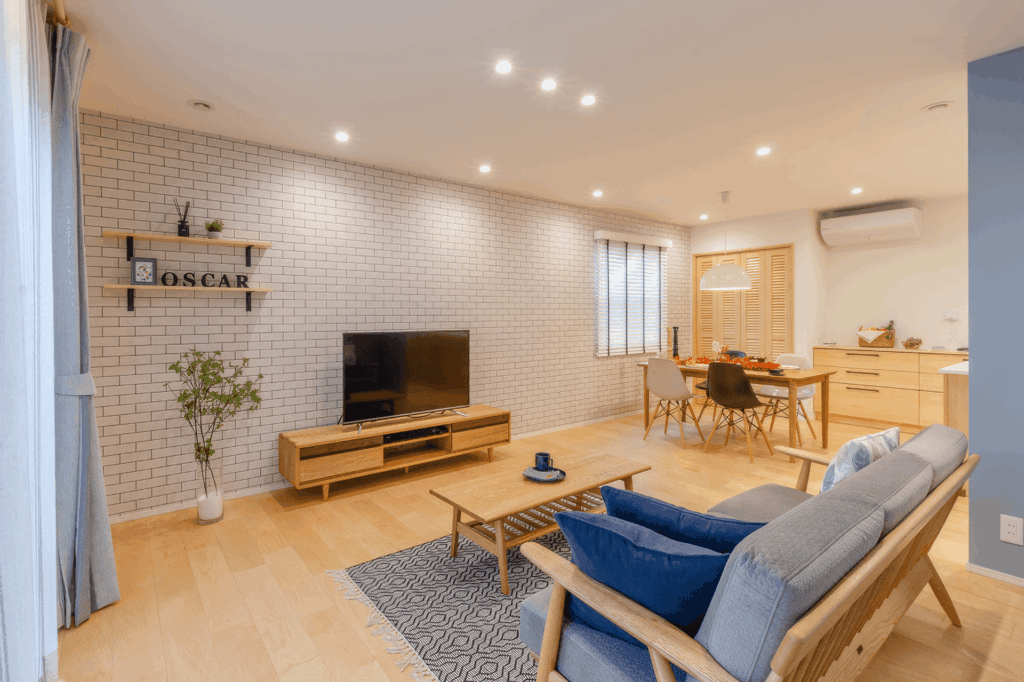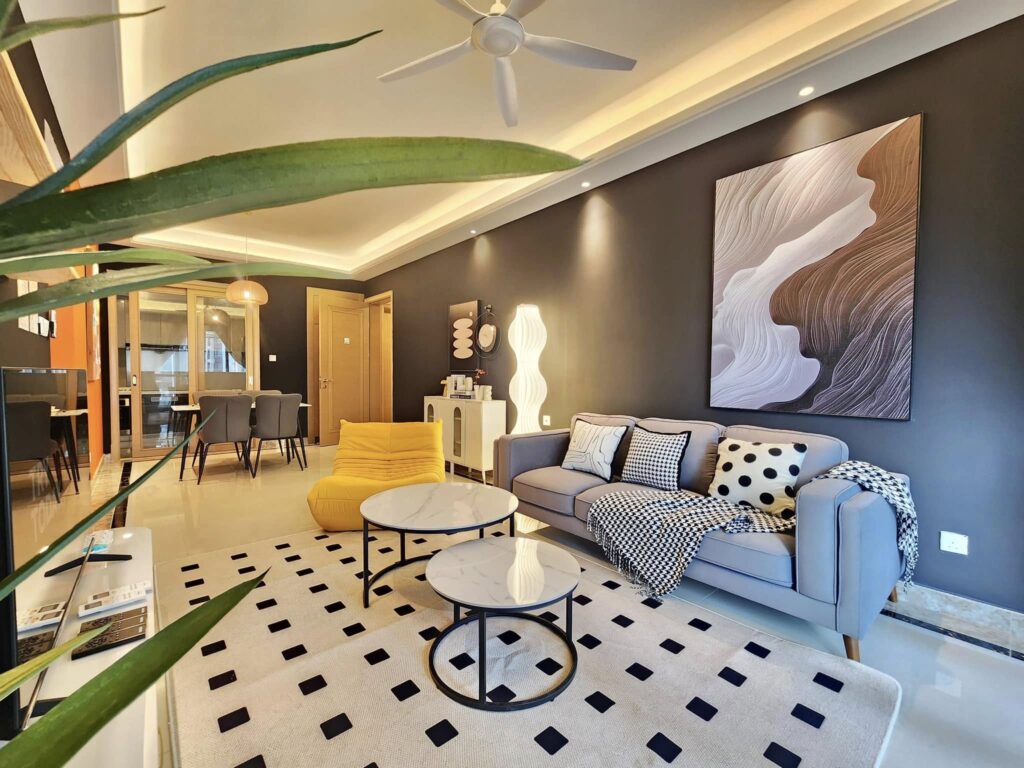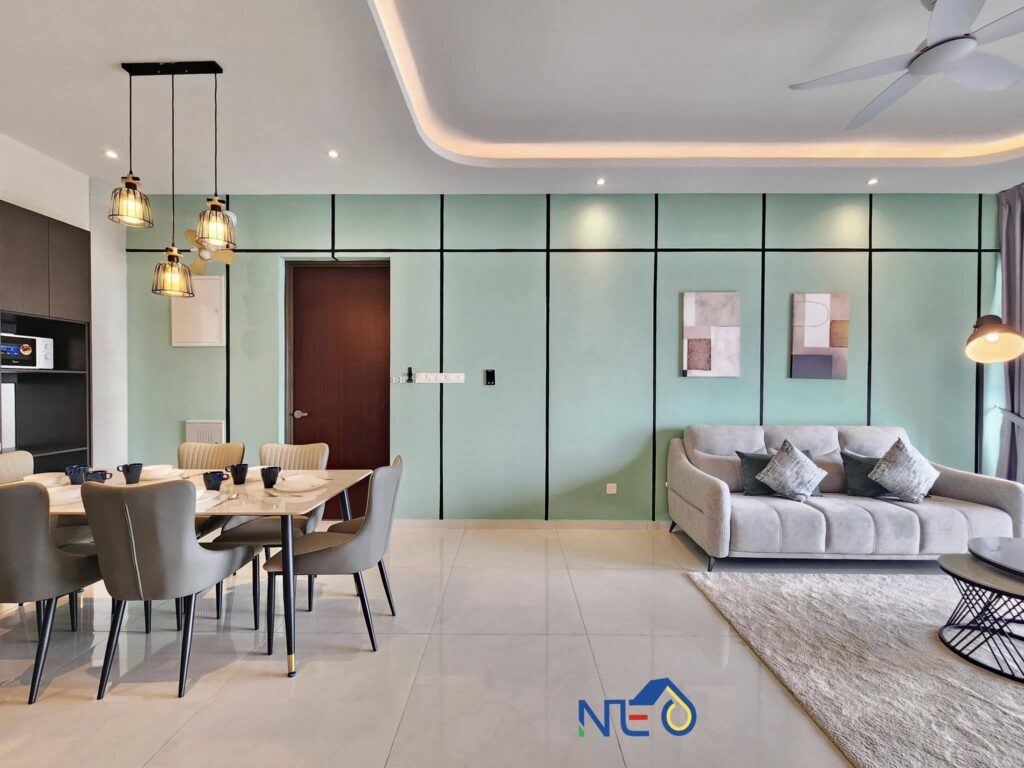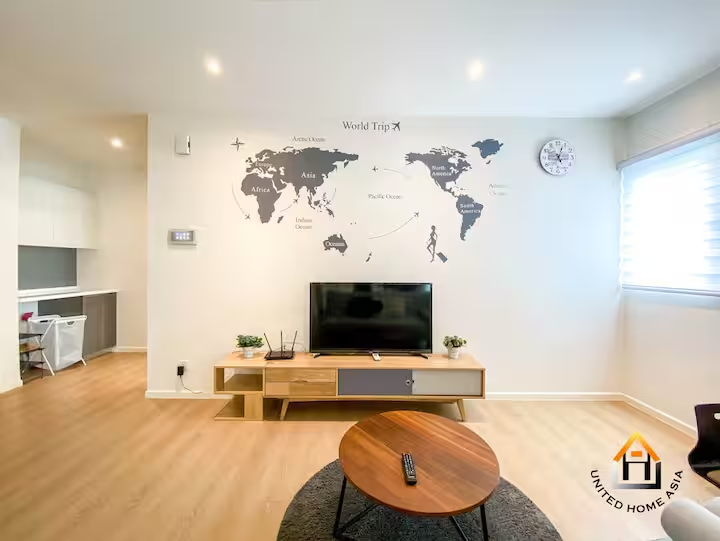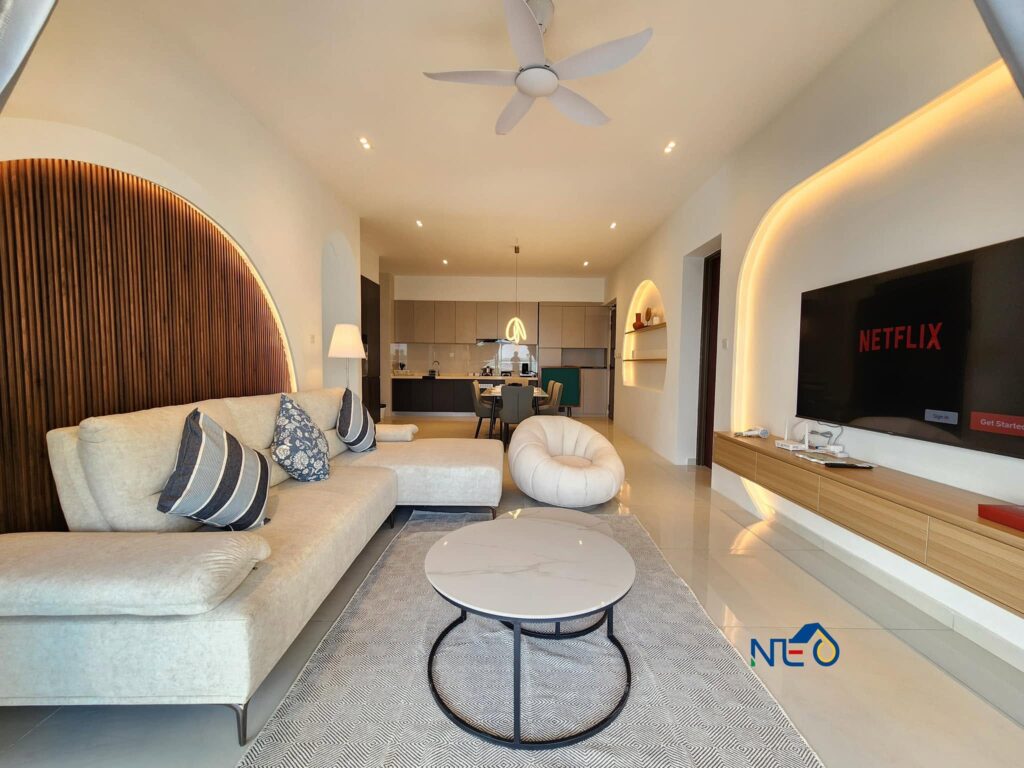



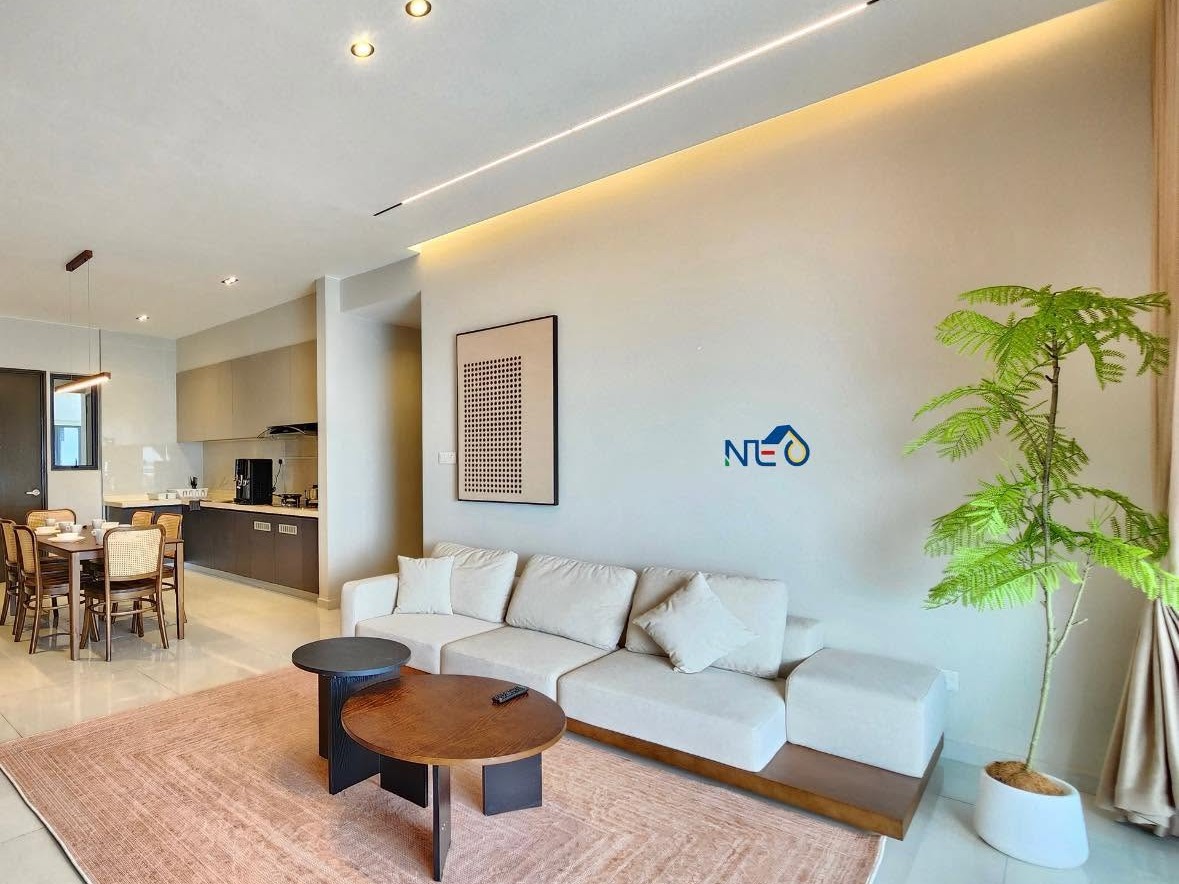
Co-living in Johor Bahru is a residential arrangement where individuals rent a private furnished room within a shared apartment or house, with common areas such as the living room, kitchen, and bathrooms shared by all residents.
Co-living is distinct from traditional house-sharing because it is professionally managed. A management company like NEO is responsible for property maintenance, tenant communication, billing, and the overall living environment.
Why Co-Living is Growing in Johor Bahru
Three key trends are driving co-living demand in Johor Bahru.
First, JB’s growing workforce — particularly in the Iskandar Malaysia development region — is attracting young professionals seeking flexible and affordable accommodation without long lease commitments.
Second, Singaporeans and expatriates working in the JB–Singapore corridor often prefer professionally managed room rentals over taking on a full apartment lease in a city where they may not stay long-term.
Third, rising property prices in JB have made full apartment rentals less affordable for many individuals, making co-living an attractive alternative.
What to Expect from a Co-Living Room in JB
A well-managed co-living room in Johor Bahru typically includes:
- A private furnished bedroom with a bed, wardrobe, desk, and door lock for privacy
- Access to a shared and maintained kitchen with basic cooking equipment
- A clean shared bathroom, with some properties offering en-suite options
- High-speed broadband WiFi
- Utilities included in the monthly room rate
NEO co-living rooms are managed by an on-call team that handles maintenance and house management, so tenants never need to deal with landlord communication or repair coordination themselves.
For Property Owners: How Much More Can Co-Living Earn in JB?
For property owners in Johor Bahru considering the co-living model, the key financial comparison is total monthly revenue per room versus a single whole-unit tenancy rate.
Based on NEO’s operational data in JB, a 3-bedroom apartment that earns RM2,000 per month as a single tenancy can typically generate RM3,000 to RM3,500 per month as a managed co-living property with three separately rented rooms.
The co-living model also tends to have lower vacancy risk because individual rooms turn over independently, rather than the entire unit becoming vacant at once.